

A house fire doesn’t stop doing damage when the flames go out. Soot, smoke, and the water used to fight the fire keep working on your home for days and weeks afterward. What you do in the first 48 hours often decides how much of your home can be cleaned and saved, and how much has to be torn out and replaced.
This guide walks Southern Maryland homeowners through what fire damage mitigation is, what to do (and not do) right after a fire, and why speed matters so much.
What Is Fire Damage Mitigation?
Fire damage mitigation is the emergency work done right after a fire to stop the damage from getting worse. It comes before the full rebuild and usually includes:
- Securing the property with emergency board-up and roof tarping so weather, animals, and intruders stay out.
- Removing water left behind by firefighting and drying the structure.
- Removing debris and charred materials that can’t be saved.
- Cleaning soot and smoke residue before it permanently stains and corrodes surfaces.
- Controlling odor with air scrubbers and deodorization.
Mitigation isn’t the same as restoration. Mitigation protects what’s left. Restoration rebuilds what was lost. Doing mitigation quickly keeps the restoration smaller and less expensive.
Why the First 48 Hours Matter
Fire damage keeps spreading in stages:
- Within hours: acidic soot settles on walls, ceilings, cabinets, and contents. Plastics and appliance finishes start to discolor. Openings in the roof and walls leave the structure exposed to weather.
- Within 1 to 3 days: painted walls, grout, and countertops start to stain and yellow. Water from firefighting soaks into drywall, insulation, and flooring, and wet, porous materials can start growing mold within 24 to 48 hours.
- Within weeks: metals corrode, wood finishes are ruined, smoke odor sets deep into framing and ductwork, and items that could have been cleaned now have to be replaced.
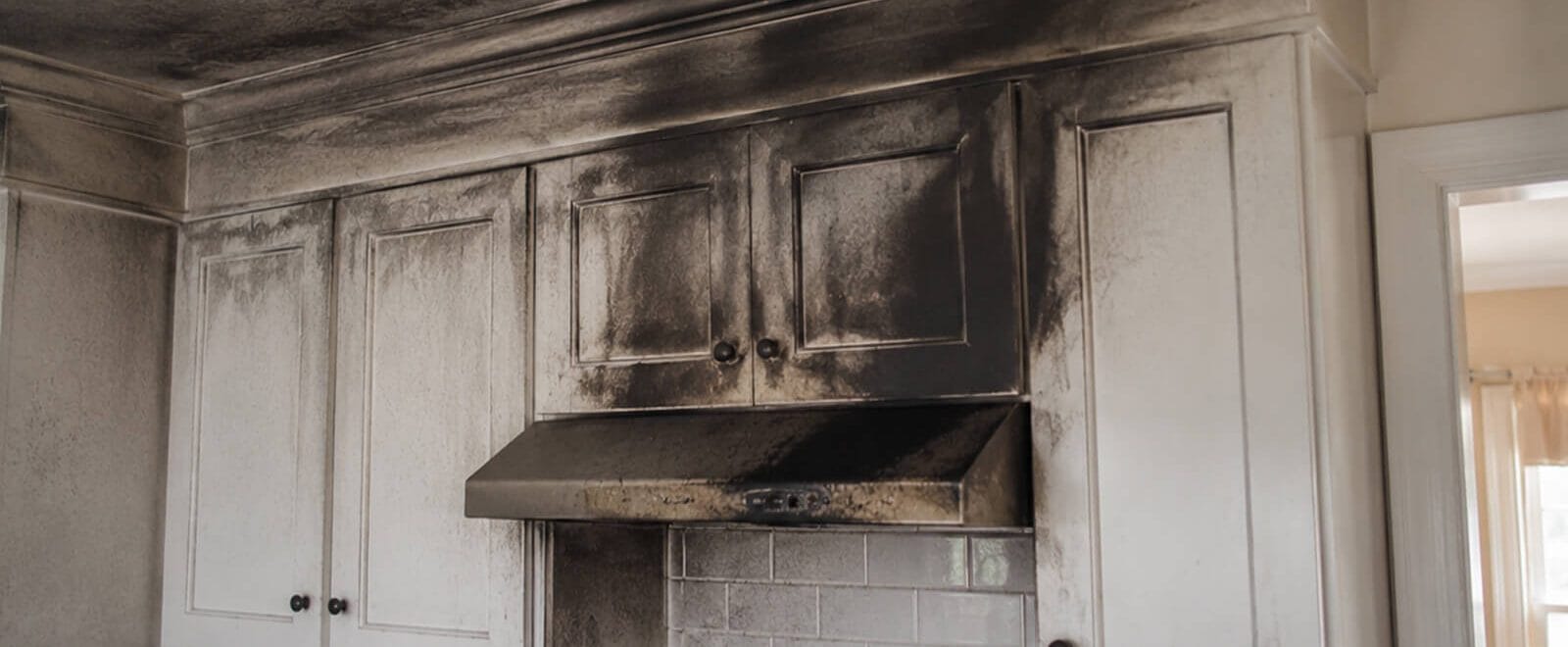
That’s why fire mitigation is treated as an emergency service. Every day of waiting turns cleanable damage into replacement work.
What to Do Right After a House Fire
1. Wait until the fire department says it’s safe
Never go back inside a fire-damaged building until the fire department clears it. Fires can rekindle, floors and ceilings can be weakened, and the air can still be hazardous.
2. Call your insurance company
Report the loss as soon as you can and ask what your policy requires. Most homeowner policies expect you to take reasonable steps to prevent further damage after a loss, which is exactly what mitigation does. Ask the fire department how to get a copy of the fire report, since your insurer may ask for it.
3. Document everything
Before anything is moved or cleaned, take photos and video of every room, the exterior, the roof, and damaged belongings. Keep receipts for emergency expenses, including temporary housing, since some policies reimburse these costs.
4. Secure the property
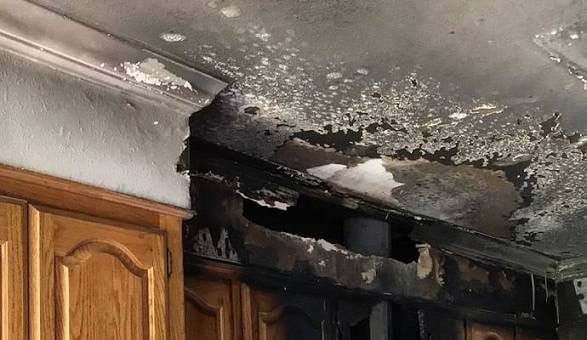
Broken windows, burned-through roofs, and open walls invite rain, animals, and theft. Emergency board-up and tarping should happen as soon as the scene is released.
5. Get the water out
Firefighting uses a lot of water. Standing water needs to be extracted, and soaked drywall, insulation, and flooring need to be removed or professionally dried. Our water mitigation process covers this step.
6. Call a mitigation company
Professional crews have the equipment to secure the structure, dry it, clean soot safely, and scrub smoke from the air, all while documenting the work for your claim.

What NOT to Do After a Fire
- Don’t wipe or scrub soot yourself. Soot is oily and acidic. Wiping it with the wrong product can smear it deeper into paint, fabric, and porous surfaces.
- Don’t run your HVAC system. Turning it on can spread soot and smoke particles through the ducts to the rest of the house.
- Don’t use electrical outlets or appliances until an electrician has checked them.
- Don’t eat food that was exposed to heat, smoke, soot, or firefighting water, including canned and refrigerated food.
- Don’t throw out damaged items before they’re documented for your insurance claim.
- Don’t wait. Delays let soot set, mold grow, and weather get in.
Smoke Damage Spreads Farther Than You Think
Even rooms that never saw a flame can be badly damaged. Smoke is pushed through doorways, wall cavities, and HVAC ducts, leaving a fine film of soot and odor on everything it touches. That’s why a professional assessment looks at the whole home, not just the room where the fire started.
Fire Mitigation and Your Insurance Claim
Every policy is different, but fast mitigation usually works in your favor. It shows your insurer you took reasonable steps to limit the loss, and it keeps the claim from growing because of preventable secondary damage like mold or weather exposure. Detailed photos, moisture readings, and mitigation reports also make the claim easier to document. Learn more on our insurance claims page.
Mitigation to Rebuild, One Company
Capital Roofing & Exteriors handles fire damage from the first emergency call through the final repair: board-up and roof tarping, water removal and drying, debris removal, soot and smoke cleanup, odor control, and then the rebuild, from the roof to the interior. Working with one company means fewer handoffs, faster timelines, and one team that knows your home.
See exactly what we do on our Fire & Smoke Damage Mitigation page.
Had a Fire? Call Us 24/7
If your home or business in Southern Maryland has been damaged by fire, don’t wait for the damage to spread. Call 443-977-1494 any time, day or night, and our emergency team will secure your property and start mitigation right away.
