
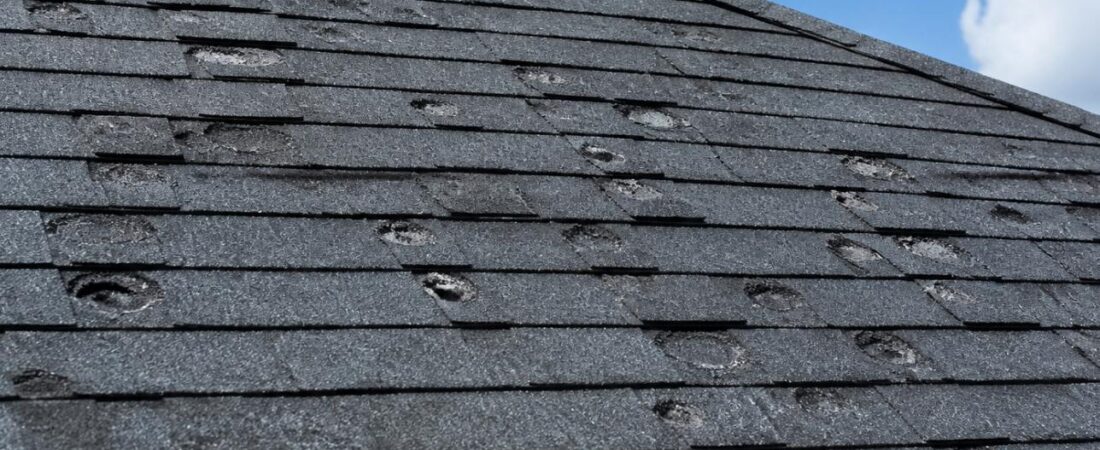

Welcome to the Capital Roofing and Exteriors blog. This article provides information regarding hail damage and the common mistakes homeowners make during the insurance claim process. Property damage caused by hail can be significant, and navigating the recovery process requires following specific procedures. Failure to avoid certain pitfalls may lead to a claim being denied or undervalued by an insurance provider.
Effective management of a roofing insurance claim is essential for maintaining the value and integrity of a property. Below is a list of five common mistakes that can negatively impact the outcome of a hail damage insurance claim.
1. Waiting Too Long to File a Claim
One of the most frequent errors made by property owners is delaying the notification of a loss to their insurance company. Most insurance policies have a specific timeframe within which a claim must be reported. This timeframe is often referred to as the statute of limitations for the policy, and it can vary depending on the provider and the state in which the property is located.
If a homeowner waits several months or even a year to report hail damage, the insurance company may argue that the damage occurred after the storm event or that the failure to report timely prevented them from accurately assessing the loss. Furthermore, hail damage can lead to secondary issues such as leaks, interior water damage, and mold growth. If these secondary issues occur because the initial hail damage was not addressed, the insurer may deny coverage for those additional repairs, citing a failure to mitigate further damage.
It is recommended to contact a professional for a storm damage assessment immediately following any significant hail event. Prompt action ensures that the damage is documented while it is still fresh and that the claim is filed within the required policy deadlines.
2. Not Documenting Damage Properly
Documentation is a critical component of any insurance claim. An insurance adjuster requires clear evidence that a loss occurred and that the damage is a direct result of the specific hail storm. Many homeowners make the mistake of not taking their own photos or failing to keep records of the storm event.

To ensure a claim is processed accurately, it is helpful to document the following:
- The Hail Itself: If possible, take photos of the hail stones next to a measuring device, such as a ruler or a coin, to show the size of the hail.
- Property Overview: Take wide-angle photos of the entire house and surrounding structures to show the context of the storm.
- Detailed Damage: Take close-up photos of specific areas of concern, such as bruised shingles, dented gutters, or cracked siding.
- Supporting Evidence: Keep track of news reports or weather alerts that confirm the date and severity of the storm in your specific area.
Inadequate documentation can lead to a dispute between the homeowner and the insurance company regarding the cause or extent of the damage. For more information on identifying damage, visit our services page.
3. Choosing the Wrong Contractor
After a major storm, many “storm chasers” or out-of-town contractors may enter an area and offer fast repairs. Choosing a contractor without a local presence or a proven track record is a common mistake that can lead to poor workmanship or issues with future warranty claims.
Insurance companies often prefer working with reputable, local companies that understand the local building codes and regional climate requirements. A local contractor is also more likely to be available for follow-up service if any issues arise after the project is completed. Homeowners should verify that any contractor they hire is properly licensed, insured, and has positive references from within the local community.
Hiring an inexperienced contractor can also lead to an incorrect estimate of the work required. If the contractor’s estimate is significantly different from the insurance adjuster’s estimate without proper justification, the homeowner may be left with out-of-pocket expenses. Reviewing professional roof repair options with an established local company can help avoid these complications.
4. Signing Away Insurance Rights
Homeowners are sometimes presented with documents known as an “Assignment of Benefits” (AOB). This is a legal agreement that transfers the insurance claim rights or benefits of the policy to a third party, such as a contractor. While this may seem convenient, it can cause the homeowner to lose control over the claim and the repair process.

Once an AOB is signed, the contractor may be able to collect payments directly from the insurance company without the homeowner’s approval. In some cases, this can lead to legal disputes between the insurer and the contractor, which may delay the repairs or even lead to a lien being placed on the property. It is important to read all contracts carefully and consult with a professional before signing away any rights associated with an insurance policy. A standard contract for repairs should outline the scope of work and the costs without requiring a transfer of policy benefits.
5. Not Getting a Professional Inspection
Many homeowners rely solely on the insurance adjuster’s inspection to determine the extent of the damage. While adjusters are trained professionals, they may sometimes overlook subtle signs of hail damage, especially on large or complex roof structures.
A professional roofing contractor can provide a detailed inspection that serves as a second opinion. A contractor who specializes in storm restoration will look for functional damage that may not be immediately visible to an untrained eye. This includes things like the loss of granule surfacing on shingles, which can reduce the lifespan of the roof even if it does not cause an immediate leak.
Skipping a professional inspection can result in a claim being closed with only a partial payout, leaving the homeowner responsible for future repairs when the hidden damage eventually leads to failure.
Professional Assistance from Capital Roofing and Exteriors
Capital Roofing and Exteriors provides services designed to assist homeowners with the complexities of hail damage claims. Our process is designed to ensure that property owners receive a thorough assessment and professional guidance throughout the restoration project.
We offer:
- Free Roof Inspections: A comprehensive assessment of your roof and exterior to identify all storm-related damage.
- Insurance Claim Assistance: We provide documentation and expertise to help facilitate a clear communication process with your insurance provider.
- Code-Compliant Workmanship: Our repairs are performed to meet or exceed local building codes, ensuring long-term protection for your home.
- Local Expertise: As a local provider, we are committed to providing dependable solutions for businesses and homeowners in our community.
If you believe your property has sustained hail damage, it is important to act promptly to protect your investment. To get started with a free inspection, please visit our start now page.
Conclusion
In summary, avoiding common hail damage mistakes is essential for a successful insurance claim. Homeowners should act quickly, document damage thoroughly, choose reputable local contractors, retain control of their insurance rights, and seek a professional inspection. Capital Roofing and Exteriors is available to provide the necessary support for your roofing and exterior needs.
We proudly serve homeowners and businesses across Southern Maryland, Virginia, and Pennsylvania. See our full list of service areas.
Contact Information
Capital Roofing and Exteriors
Website: www.capitalroofingmd.com
Services: Roofing, Siding, Gutters, Windows, and Interiors.
Specialty: Storm Damage Assessments and Insurance Claim Assistance.