
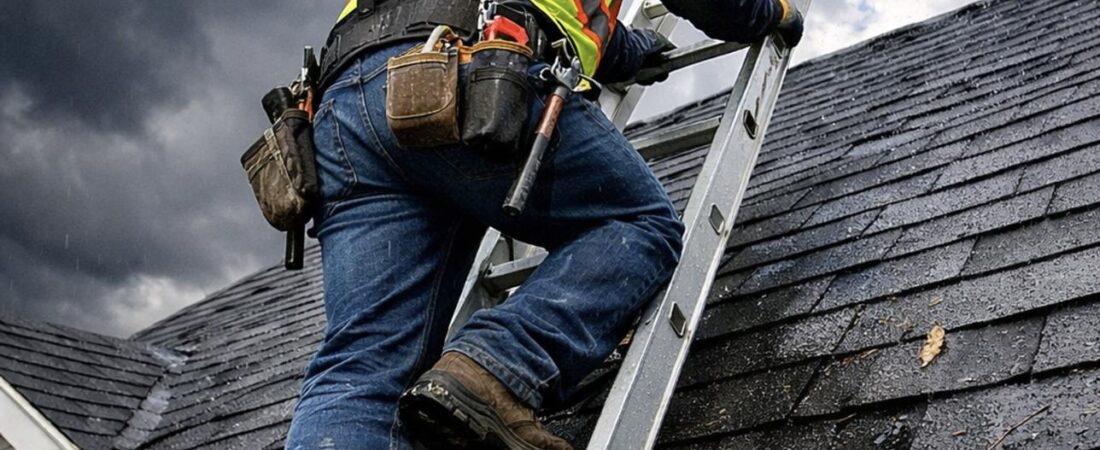
Storm damage to your roof can be costly. Many homeowners make mistakes during the inspection process. These mistakes can lead to denied insurance claims and expensive repairs. This guide explains common errors and how to avoid them.
Mistake 1: Delaying the Inspection
Many homeowners wait too long after a storm to inspect their roof. This is a common error. Waiting days or weeks makes it harder to prove the damage came from the storm.
How to Fix It
Schedule a roof inspection within 72 hours after a storm. The sooner you document the damage, the better. Your insurance company will have clear evidence. Delays can result in claim denial. Small problems can also get worse over time. This leads to higher repair costs.
Most states allow up to one year to file an insurance claim. However, acting quickly gives you the best chance of approval. Weather conditions can cause additional damage if you wait too long.
Mistake 2: Skipping Professional Inspections
Some homeowners only look at their roof from the ground. This is not enough. You cannot see all types of damage from ground level.
How to Fix It
Hire a professional roofing contractor. Choose a company with storm damage experience. Avoid contractors from out of town who appear after storms. These “storm chasers” may not be reliable.
Professional inspectors use specialized tools. They can detect hidden damage. They know what to look for. Capital Roofing and Exteriors offers free roof inspections. Our team has experience with storm damage claims.
Mistake 3: Inadequate Documentation
Poor documentation is a major problem. Many homeowners fail to take enough photos. Others do not keep written records. Insurance companies require proof of damage.

How to Fix It
Photograph everything. Take pictures even if you are unsure about the damage. Document all areas of your roof. Include close-up and wide-angle shots.
Your inspector should provide photo or video documentation. They should also give you a written report. Keep records of all contractor notes. Save timestamps from photos. Collect weather reports from the storm date. Keep all communication with your insurance company.
If an inspector does not provide documentation, find another contractor. You cannot verify accuracy without proper records.
Mistake 4: Not Inspecting the Attic or Interior
Many people only check the exterior of their roof. They forget about the attic and interior spaces. This is a mistake. Water damage often shows up inside first.
How to Fix It
Check your attic after every major storm. Look for new water stains. Check for moisture buildup. Look at your ceilings inside your home. New stains or discoloration can indicate roof damage.
A professional inspector should examine your attic. They should ask about interior signs of water damage. If they only look at the exterior, you are missing important information. Interior damage can help prove your insurance claim.
Mistake 5: Ignoring Small Damage
Some homeowners overlook minor issues. They think loose shingles or small cracks are not important. This is incorrect. Small problems become big problems over time.

How to Fix It
Scan your roof for all types of damage. Look at shingles, gutters, vents, and chimney flashing. Check for loose or missing shingles. Look for cracked gutters. Inspect tree limbs near your roof.
Document all damage, even minor issues. Small problems can escalate quickly. A loose shingle can let water in. This can cause interior damage. Early detection saves money. It also strengthens your insurance claim.
Mistake 6: Attempting Repairs Before Documentation
Some homeowners start repairs immediately after finding damage. They want to prevent further problems. However, making repairs before documentation hurts your insurance claim.
How to Fix It
Always document damage before making any repairs. Take photos and videos first. Your insurance claim depends on proof of the original damage. Once you repair something, the evidence is gone.
Take photos during your initial inspection. Record the condition of your roof. Then contact your insurance company. Wait for their approval before starting major repairs. You can make temporary fixes to prevent additional damage. But document everything first.
Mistake 7: Hiring Unqualified Contractors
Hiring the wrong contractor causes many problems. Some contractors are not properly insured. Others provide vague estimates. Some are scammers who take deposits and disappear.

How to Fix It
Verify your contractor is licensed and insured. Check their credentials. Read reviews from other customers. Avoid contractors who pressure you to sign immediately.
Request a written scope of work. This should include clear pricing and a timeline. Do not accept estimates through text messages. Do not accept ballpark guesses. Get everything in writing.
Involve your insurance adjuster early in the process. If damage is extensive, request a joint inspection. Your contractor and adjuster should inspect together. This ensures everyone agrees on the scope of work.
Capital Roofing and Exteriors provides detailed written estimates. We work directly with insurance adjusters. Our team helps you through the entire claims process.
Understanding Storm Damage Claims
Insurance claims for storm damage can be complicated. Understanding the process helps you avoid mistakes. Most insurance policies cover sudden and accidental damage from storms. This includes wind, hail, and falling debris.
Your policy may have specific time limits for filing claims. Review your policy documents. Contact your insurance company as soon as you discover damage. Provide them with all documentation from your inspection.
The Inspection Process
A proper storm damage inspection follows specific steps. First, the inspector examines your roof from the ground. They look for obvious signs of damage. Then they climb onto the roof for a closer look.
The inspector checks all roof components. This includes shingles, flashing, vents, and gutters. They examine the attic for water damage. They look at interior ceilings for stains. They document everything with photos and notes.
After the inspection, you receive a written report. This report details all damage found. It includes repair recommendations. It provides cost estimates for repairs. This report is essential for your insurance claim.
Working with Your Insurance Company
Your insurance company will send an adjuster to inspect the damage. The adjuster represents the insurance company. Having your own documentation is important. Your contractor can meet with the adjuster. They can point out all damage. This ensures nothing is missed.
Be present during the adjuster’s visit if possible. Ask questions about the process. Take notes on what the adjuster says. Get copies of all reports and estimates.
If your claim is denied, you have options. You can appeal the decision. Provide additional documentation. Your contractor can help with this process. Capital Roofing and Exteriors assists clients with claim appeals and negotiations.
Why Choose Capital Roofing and Exteriors
Capital Roofing and Exteriors offers free roof inspections. We have experience with storm damage claims. Our team provides detailed documentation for insurance purposes. We work with your insurance company throughout the process.
We provide written scopes of work with clear pricing. We explain every step of the repair process. Our contractors are fully licensed and insured. We serve the local community with reliable service.
Contact us today to schedule your free inspection. Visit our contact page or call our office. Do not wait until small problems become major repairs.
Conclusion
Storm damage inspections require careful attention. Avoid these seven common mistakes. Act quickly after storms. Hire qualified professionals. Document everything thoroughly. Check all areas of your home. Address minor damage promptly. Document before repairing. Work with reputable contractors.
Following these guidelines protects your home and your insurance claim. Capital Roofing and Exteriors is here to help. We provide expert inspections and claim assistance. Protect your investment with proper storm damage inspections.
We proudly serve homeowners and businesses across Southern Maryland, Virginia, and Pennsylvania. See our full list of service areas.