
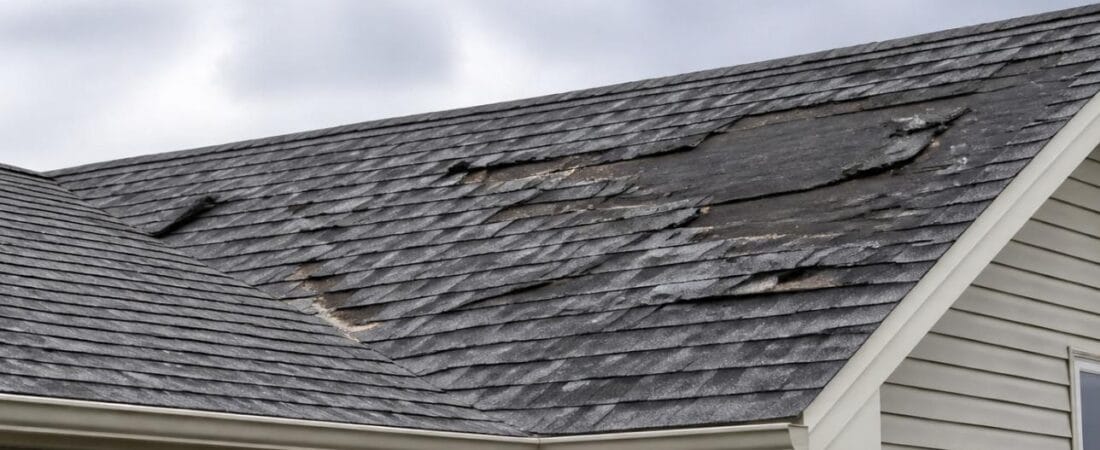
Insurance companies are not in the business of volunteering information that costs them money, and roof claims are where that shows up most. Depreciation, code-upgrade coverage, and the difference between a repair and a full replacement all get decided using rules most homeowners never see written down anywhere. Knowing how adjusters actually evaluate a claim, before you file one, is the best way to make sure you get paid for the damage that is actually there.

Understanding the Role of the Insurance Adjuster
When a claim is filed, the insurance company sends an adjuster to evaluate the property. The primary function of the adjuster is to document the extent of the damage and determine the payout based on the policy terms. It is important to note that adjusters work for the insurance company. Their evaluation may focus on limiting the liability of the provider.
Adjusters may sometimes overlook minor damage that could lead to significant issues in the future. For example, small hail impacts or slightly lifted shingles might be dismissed as “cosmetic” or “pre-existing.” However, these minor issues can compromise the integrity of the roof over time. Property owners should be aware that the initial assessment provided by an insurance adjuster is not always the final word on the condition of the roof.

The Difference Between ACV and RCV Policies
One of the most critical components of an insurance claim is the type of coverage designated in the policy. There are two main types of coverage: Actual Cash Value (ACV) and Replacement Cost Value (RCV).
Actual Cash Value (ACV)
An ACV policy pays out the value of the roof at the time of the damage, minus depreciation. If a roof is ten years old, the insurance company will calculate how much life is left in the materials and subtract the used portion from the payout. This often results in a significantly lower check, leaving the homeowner to cover a large portion of the replacement cost out of pocket.
Replacement Cost Value (RCV)
An RCV policy is designed to cover the full cost of replacing the roof with materials of like kind and quality at current market prices. The insurance company usually issues two payments. The first payment is for the ACV. Once the work is completed and an invoice is submitted, the company releases the remaining “held-back” depreciation. This type of policy provides better financial protection for the property owner.
Common Tactics Used to Minimize Claims
Insurance providers use several standard methods to reduce the amount paid out for storm damage claims. Understanding these tactics can help property owners prepare their documentation more effectively.
- Partial Repair Offers: Insurance companies may suggest repairing only the damaged sections of a roof rather than replacing the entire surface. However, if the shingles are old or the manufacturer no longer produces the specific style, a partial repair may result in a mismatched roof, which can lower property value.
- Pre-existing Damage Claims: A common reason for claim denial is the assertion that the damage was present before the storm occurred. This is why having a record of regular maintenance and previous inspections is useful.
- Strict Deadlines: Many policies have a limited window for filing a claim after a storm event. If a homeowner waits too long to inspect the roof, the claim may be denied based on the expiration of the filing period.

The Importance of Professional Documentation
To successfully navigate a claim, comprehensive documentation is required. Property owners should not rely solely on the insurance company’s records. It is recommended to maintain a personal file that includes the following items:
- High-Resolution Photos: Images of the roof before and after the storm.
- Weather Reports: Data confirming that a storm with high winds or hail occurred in the area on a specific date.
- Contractor Estimates: Written estimates from a professional roofing company that detail the scope of work and the materials required.
- Communication Logs: A record of every phone call, email, and meeting with the insurance company, including the names of the representatives involved.
Documentation serves as evidence in the event of a dispute. If the insurance company offers an amount that does not cover the necessary repairs, these records can be used to request a re-evaluation or to support an appeal.
Matching Rules and Building Codes
In many jurisdictions, there are “matching rules” that require insurance companies to replace the entire roof if the original materials are no longer available. This ensures that the property maintains a uniform appearance. Additionally, local building codes may have changed since the original roof was installed. Insurance policies with “Law and Ordinance” coverage will pay for the extra costs associated with bringing the new roof up to current safety and construction codes.
If an insurance company ignores these requirements, the property owner may be left with a roof that is not code-compliant or is aesthetically inconsistent. A professional roofing contractor can help identify these issues and present them to the insurance adjuster.

How Capital Roofing and Exteriors Assists with Claims
Capital Roofing and Exteriors provides services to help property owners manage the complexities of storm damage claims. The company offers several resources to ensure that the inspection and repair process is handled correctly.
- Free Roof Inspections: Trained professionals conduct a thorough assessment of the roof to identify all storm-related damage, including areas that might be missed by an insurance adjuster.
- Meeting with Adjusters: A representative from the company can be present during the insurance adjuster’s inspection. This helps ensure that all damaged areas are pointed out and documented in the adjuster’s report.
- Insurance Claim Assistance: The company assists with the paperwork and communication required to move a claim forward efficiently.
- Code-Compliant Workmanship: All repairs and replacements are performed according to current local building codes and manufacturer specifications.
By utilizing professional services, homeowners and business owners can focus on the restoration of their property while ensuring that their insurance provider fulfills its obligations.
Summary of Best Practices for Roof Claims
- Immediate Inspection: Schedule a professional inspection as soon as possible following a storm event.
- Review the Policy: Check the insurance policy for deductibles, coverage types (ACV vs. RCV), and filing deadlines.
- Document Everything: Take photos and keep a log of all interactions.
- Avoid Door-to-Door Solicitors: Be cautious of contractors who appear only after a storm and push for immediate signatures. Choose a reputable, local company.
- Be Persistent: If a claim is denied or undervalued, ask for a second inspection or a supervisor review.
For more information on roofing services and storm damage recovery, visit Capital Roofing and Exteriors.
Phone: 443-977-1494
We proudly serve homeowners and businesses across Southern Maryland, Virginia, and Pennsylvania. See our full list of service areas.
