
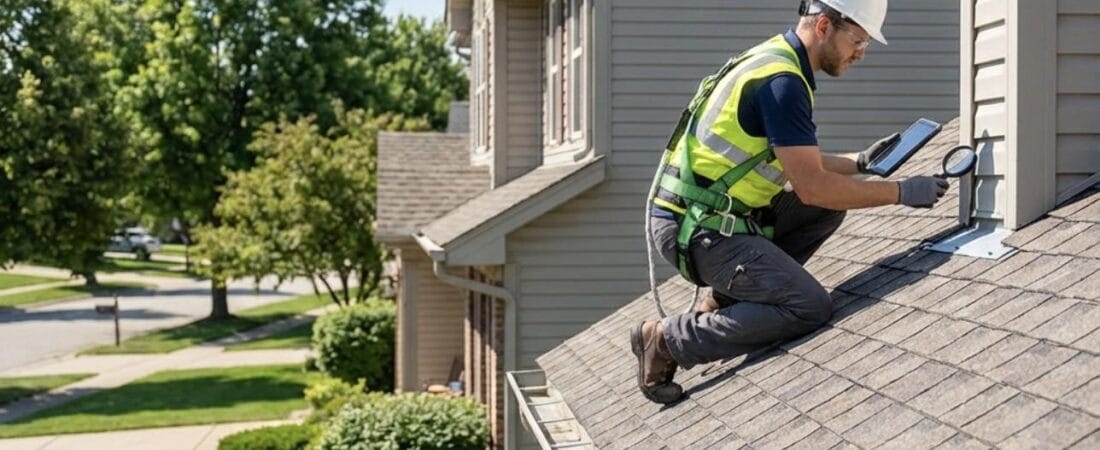
Monthly roof inspections sound thorough, but that is not actually the industry standard, and it is not what most roofing pros will tell you to do. Twice a year, in spring and fall, is the schedule that catches problems in time without running up an unnecessary bill. That said, professional maintenance is still doing real work between those visits, and skipping it entirely is where small issues turn into expensive ones.
The Truth About Monthly Roof Inspections
Monthly professional roof inspections are expensive and unnecessary for most homes. The industry standard recommends professional inspections twice per year, typically in spring and fall. This schedule provides adequate monitoring without excessive costs.
Monthly visual inspections by homeowners are different. These basic checks from ground level help identify obvious problems between professional visits. Homeowners can look for missing shingles, debris in gutters, and visible damage without climbing on the roof.
What Professional Inspections Include
Professional roof inspections involve detailed examination of multiple roof components. Certified inspectors check shingles, flashing, gutters, ventilation systems, and structural elements. They use specialized equipment to identify problems that homeowners cannot detect.
Professional inspectors examine the roof’s interior and exterior. They check attic spaces for leaks, proper insulation, and ventilation issues. They also inspect the roof’s surface for damaged materials, improper installation, and wear patterns.
Why Professional Maintenance Is Still Necessary
Professional roof maintenance prevents major problems and expensive repairs. Early detection of issues saves money compared to emergency repairs after damage occurs. Regular maintenance can extend a roof’s lifespan by several years.
Insurance companies often require documentation of regular maintenance. Professional inspections provide the necessary records for warranty claims and insurance coverage. Some insurance policies offer discounts for homes with documented maintenance programs.
Professional contractors identify safety hazards that homeowners might miss. They recognize structural problems, electrical issues, and other dangers that require immediate attention. This expertise protects both the property and the people living in the home.

Current Best Practices for Roof Maintenance
The recommended schedule includes professional inspections in spring and fall. Spring inspections assess winter damage from snow, ice, and storms. Fall inspections prepare the roof for upcoming winter weather conditions.
Additional professional inspections should occur after severe weather events. Hail, strong winds, and heavy storms can cause damage that requires immediate assessment. Insurance claims often require professional documentation of storm damage.
Homeowners should perform monthly visual checks between professional inspections. These basic observations help identify obvious problems like missing shingles or clogged gutters. Ground-level inspections are safe and effective for basic monitoring.
Signs That Require Immediate Professional Attention
Certain roof problems require immediate professional evaluation. Water leaks, missing shingles, and damaged flashing need prompt attention to prevent additional damage. Delaying repairs often results in more extensive and expensive problems.
Sagging roof sections indicate structural problems that pose safety risks. Professional evaluation is essential for identifying the cause and determining appropriate repairs. Homeowners should never attempt to repair structural roof problems themselves.

Visible daylight through the roof requires emergency professional attention. This condition indicates major structural damage or missing materials. Water damage can occur rapidly when the roof’s protective barrier is compromised.
Commercial vs Residential Inspection Needs
Commercial buildings may require more frequent professional inspections than residential properties. Flat roofs and complex drainage systems need regular monitoring to prevent water damage. Commercial roofs often have different materials and maintenance requirements.
Large commercial properties sometimes benefit from monthly professional inspections due to their size and complexity. The cost of potential damage often justifies more frequent professional evaluation for commercial buildings.
Residential homes typically do not require monthly professional inspections. The standard twice-yearly schedule provides adequate protection for most residential roofing systems. Homeowner visual inspections supplement professional evaluations effectively.
Cost Considerations for Roof Maintenance
Professional roof inspections typically cost between $200 and $500 per visit. Monthly professional inspections would cost $2,400 to $6,000 annually, which is excessive for most homeowners. The twice-yearly schedule costs $400 to $1,000 annually.
Preventive maintenance costs significantly less than emergency repairs. Professional maintenance can prevent problems that cost thousands of dollars to repair. Regular inspections often identify minor issues before they become major expenses.

Many roofing companies offer annual maintenance contracts that include scheduled inspections and basic repairs. These programs provide predictable costs and ensure regular professional attention to the roof system.
Technology and Modern Inspection Methods
Modern roof inspection technology includes drones, thermal imaging, and digital documentation. These tools allow professionals to assess roof conditions more thoroughly and safely than traditional methods. Technology improves inspection accuracy while reducing costs.
Drone inspections provide detailed views of roof surfaces without requiring inspectors to climb on the roof. This technology is particularly useful for steep or dangerous roof configurations. Digital documentation creates permanent records of roof conditions over time.
Thermal imaging identifies hidden problems like insulation gaps and moisture intrusion. These issues are often invisible during visual inspections but can cause significant damage over time. Professional equipment detects problems that homeowners cannot identify.
Seasonal Maintenance Requirements
Spring maintenance focuses on assessing winter damage and preparing for summer weather. Professionals check for ice damage, missing shingles, and clogged drainage systems. Spring cleaning removes debris that accumulated during winter months.
Fall maintenance prepares the roof for winter weather conditions. Professionals ensure proper drainage, secure loose materials, and address any issues before severe weather arrives. Fall maintenance prevents problems that could worsen during winter.
Summer and winter typically do not require professional inspections unless problems are discovered or severe weather occurs. Homeowner visual inspections during these seasons help monitor roof conditions between professional visits.
Making the Right Decision for Your Property
Most residential properties benefit from professional inspections twice per year combined with monthly homeowner visual checks. This approach provides adequate protection while controlling costs effectively. Emergency inspections should occur after severe weather events.
Properties with older roofs or previous problems may benefit from more frequent professional attention. Homes with complex roof designs or premium materials might require specialized maintenance schedules. Professional contractors can recommend appropriate inspection frequency based on specific circumstances.
The decision about inspection frequency should consider the roof’s age, condition, local weather patterns, and budget constraints. Professional roofing contractors can provide guidance based on individual property needs and risk factors.
Professional roof maintenance remains essential for protecting your investment and ensuring your family’s safety. While monthly professional inspections are unnecessary for most homes, regular professional evaluation combined with homeowner vigilance provides optimal protection for residential properties.
We proudly serve homeowners and businesses across Southern Maryland, Virginia, and Pennsylvania. See our full list of service areas.
