
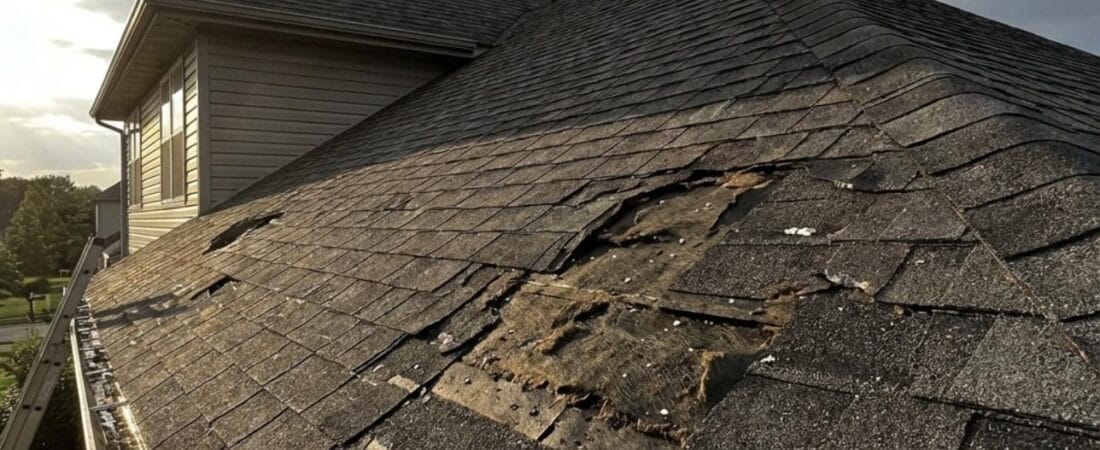
Storm damage claims can be complicated. Insurance companies use specific methods to evaluate roof damage claims. Understanding these methods helps homeowners get fair settlements.
How Insurance Companies Evaluate Storm Damage
Insurance companies distinguish between normal wear and actual storm damage. Granule loss from aging does not qualify for coverage. Granule loss from hail damage may qualify if other damage is present. This distinction affects claim approvals.
Timing matters for storm damage claims. Claims must be filed within policy time limits. Damage discovered after selling a home becomes harder to claim. New insurance policies do not cover damage from previous storms.
Weather patterns in your state affect claim requirements. States with frequent storms have stricter evaluation protocols. Wind and hail damage accounts for over half of residential roofing claims. Insurance companies have developed tighter claim processes in response.
Common Insurance Company Tactics
Insurance adjusters use several methods to reduce claim payments. These methods include delaying claim processing and undervaluing damage estimates. Adjusters may question the timing of damage occurrence.
Some adjusters have limited authority to approve roof replacements. Internal company policies require supervisor approval for certain claims. This creates delays in the claims process.
Insurance companies may provide incorrect information about policy coverage. This leads to homeowners accepting lower settlements. Always review your policy before accepting any settlement offer.
What Adjusters Look For During Inspections
Insurance adjusters inspect roofs for specific damage indicators. These include cracked or curling shingles, exposed underlayment, and excessive granule loss. Dark streaks from algae growth may also be noted.
Small hailstone damage can be difficult to identify during initial inspections. Recent research shows small hailstones cause significant damage. This damage may not be obvious during first assessments.
Adjusters may miss subtle damage during quick inspections. Having documentation before the adjuster visit is important. Independent inspections can identify damage adjusters might overlook.

Documentation Requirements
Document all damage immediately after storms. Take photographs and videos from multiple angles. Include close-up shots of damaged areas and wide shots showing overall roof condition.
Keep detailed records of storm dates and weather conditions. Save all receipts for temporary repairs or inspections. Organize documents in a dedicated folder for easy access.
Professional inspection reports strengthen your claim. Licensed contractors can identify structural damage not visible from the ground. Written reports provide evidence for insurance negotiations.
Filing Strong Storm Damage Claims
Get multiple contractor estimates before filing your claim. Written estimates from licensed professionals support your damage assessment. Multiple estimates strengthen your negotiating position.
Be present during adjuster inspections. Point out all visible damage and ask questions. Present your professional inspection reports and contractor estimates during the visit.
Know your policy coverage details before filing. Understand deductibles, coverage limits, and exclusions. Some policies have separate deductibles for wind and hail damage.

Understanding Your Coverage
Most storm damage claims do not increase insurance rates. Wind, hail, and storm damage are considered acts of nature. Insurance companies cannot raise rates based on weather-related claims.
Rate increases may occur if your entire area experiences storm damage. This happens regardless of whether you file a claim. Area-wide rate adjustments are different from individual claim penalties.
Review your policy annually to understand current coverage. Coverage amounts and deductibles may change over time. Contact your insurance company to clarify any questions about coverage.
Working With Roofing Professionals
Hire licensed contractors for damage assessments. Professional inspectors can identify damage not visible to untrained eyes. Written inspection reports provide official documentation for insurance claims.
Get written estimates from multiple contractors. Compare estimates to insurance settlement offers. Large discrepancies may indicate undervalued claims.
Professional contractors understand insurance requirements. They can provide documentation that meets insurance company standards. This documentation supports stronger claims.
Claim Process Timeline
File storm damage claims as soon as possible after storms. Most policies have specific time limits for claim filing. Delayed claims may be questioned or denied.
Schedule adjuster inspections promptly after filing. Prepare documentation before the inspection visit. Have contractor estimates and photos ready to present.
Follow up on claim status regularly. Insurance companies may delay processing without follow-up contact. Document all communications with insurance representatives.
Common Claim Mistakes
Do not admit fault for any damage during adjuster conversations. Statements about maintenance or prior damage can reduce claim values. Let documentation speak for itself.
Avoid accepting first settlement offers without review. Initial offers are often lower than actual repair costs. Compare offers to contractor estimates before accepting.
Do not make permanent repairs before insurance approval. Temporary repairs to prevent further damage are acceptable. Document all temporary repairs with photos and receipts.
Professional Assistance Options
Consider hiring public adjusters for complex claims. Public adjusters work for homeowners, not insurance companies. They can negotiate better settlements for complicated damage cases.
Consult attorneys for denied or significantly undervalued claims. Insurance attorneys understand claim processes and legal requirements. Professional representation may improve claim outcomes.
Get second opinions from independent roofing experts. Different contractors may identify damage missed by others. Multiple professional assessments strengthen your position.
Understanding insurance company methods helps homeowners navigate storm damage claims successfully. Proper documentation and professional assistance lead to better claim outcomes. Always review your policy and prepare thoroughly before filing claims.
If you need professional roofing assessment or storm damage evaluation, contact Capital Roofing and Exteriors for expert inspection services.
We proudly serve homeowners and businesses across Southern Maryland, Virginia, and Pennsylvania. See our full list of service areas.
Related Resources
- ACV vs RCV: The Truth About Why Your Roof Insurance Check Might Be Smaller This Year
- How to File a Roof Insurance Claim: A Step-by-Step Guide
- Roofing in 2026: What Homeowners and Businesses Need to Know
- Roof Insurance Claim Help
