
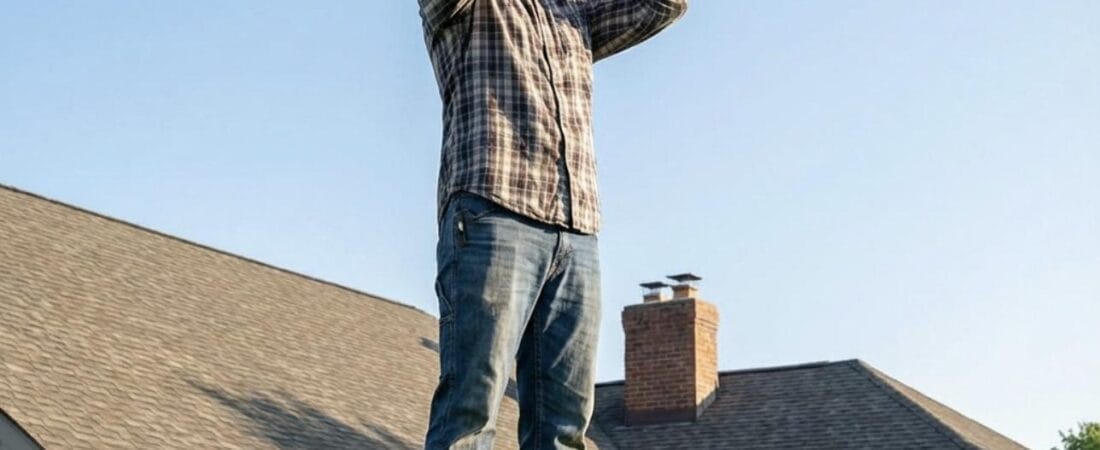
Most homeowners do not think about their roof until they see a water stain spreading across the ceiling, and by then the repair bill has usually grown from a couple hundred dollars into a couple thousand. The fix is not complicated: a quick visual check twice a year catches almost everything before it turns into a real problem, as long as you know what you are looking for.
The Power of Regular Roof Inspections
The most effective way to prevent costly roof damage is to inspect your roof every six months. Spring and fall are the best times to check for problems. Weather changes during these seasons reveal damage that may have occurred during winter storms or summer heat.
A basic roof inspection takes about 30 minutes and requires no special tools. You can spot most problems from the ground using binoculars or by safely accessing your attic space.
Professional roofers recommend this approach because small problems become major issues quickly. A few missing shingles can lead to water damage that affects your entire roofing system within months.
Critical Warning Signs You Can Spot Yourself
Missing or Damaged Shingles
Look for shingles that are cracked, curled, or completely missing. These problems are visible from the ground and indicate your roof’s protective barrier is compromised. Wind and weather can damage shingles gradually, making regular checks essential.
Missing shingles expose the underlying materials to water and weather. This exposure leads to rot and structural damage that costs thousands to repair.
Granule Loss in Gutters
Check your gutters and downspouts for small pebbles or granules. These granules protect asphalt shingles from UV damage and weather. Excessive granule loss means your shingles are deteriorating and may need replacement soon.
Normal aging causes some granule loss, but large amounts indicate accelerated wear. This warning sign appears before other visible damage occurs.
Water Stains and Discoloration
Examine your attic ceiling and walls for water stains, dark spots, or discoloration. These marks indicate water has penetrated your roofing system. Even small stains can signal significant problems that require immediate attention.
Water stains often appear after heavy rain or snow. Check your attic within 24 hours of major weather events to catch problems early.

Structural Problems That Demand Immediate Action
Sagging Rooflines
Use your eyes to check if your roofline appears straight and even. Any sagging or dipping sections indicate serious structural problems. These issues result from water damage, excessive snow load, or deteriorating support structures.
Sagging rooflines require immediate professional evaluation. Waiting to address these problems can lead to partial or complete roof collapse.
Damaged Flashing
Flashing is the metal material around chimneys, vents, and roof joints. Look for rust, cracks, or loose sections in these areas. Damaged flashing allows water to penetrate your roof system in places where different materials meet.
Flashing problems cause leaks that are difficult to locate and expensive to repair. Early detection prevents water damage to your home’s interior and structure.
Advanced Warning Signs That Require Professional Assessment
Poor Drainage and Standing Water
Check your roof after rain to see if water pools in any areas. Standing water indicates drainage problems that can cause significant damage over time. Flat or low-slope roofs are particularly susceptible to drainage issues.
Poor drainage leads to membrane deterioration and structural damage. Professional evaluation determines if your drainage system needs repair or replacement.
Ventilation Problems
Proper attic ventilation prevents moisture buildup and temperature extremes that damage roofing materials. Look for ice dams in winter or excessive heat in summer as signs of ventilation problems.
Poor ventilation shortens your roof’s lifespan and increases energy costs. Professional assessment can identify and correct ventilation issues before they cause major damage.

How to Perform Safe Roof Inspections
Ground-Level Inspection
Start your inspection from the ground using binoculars to examine your roof surface. Look for obvious problems like missing shingles, damaged flashing, or debris accumulation. This approach keeps you safe while providing valuable information about your roof’s condition.
Walk around your entire house to view the roof from all angles. Different perspectives reveal problems that may not be visible from one location.
Attic Inspection
Check your attic for water stains, mold growth, or damaged insulation. Use a flashlight to examine areas around chimneys, vents, and roof penetrations where leaks commonly occur.
Attic inspections reveal interior damage before it becomes visible in your living spaces. This early detection saves money on repairs and prevents health issues from mold growth.
Gutter and Downspout Examination
Clean and inspect your gutters regularly to identify granule accumulation and drainage problems. Proper gutter function protects your roof and foundation from water damage.
Clogged gutters cause water to back up under shingles, leading to rot and structural damage. Regular cleaning and inspection prevent these expensive problems.
When to Call Professional Roofers
Safety Concerns
Never climb on your roof unless you have proper safety equipment and experience. Professional roofers have training and equipment to work safely at heights. The cost of professional inspection is minimal compared to medical expenses from falls.
Steep roofs, wet conditions, and high winds make DIY inspection dangerous. Professional evaluation provides accurate assessment without safety risks.
Complex Problems
Some roofing problems require professional diagnosis and repair. Structural issues, extensive damage, and insurance claims need expert evaluation to ensure proper resolution.
Professional roofers can identify problems that homeowners miss and provide accurate repair estimates. This expertise prevents small problems from becoming major expenses.

Cost Benefits of Early Detection
Repair vs. Replacement Costs
Early detection allows you to repair problems before they require complete roof replacement. Minor repairs typically cost hundreds of dollars, while roof replacement can cost tens of thousands.
Regular maintenance extends your roof’s lifespan and delays replacement costs. This approach provides significant long-term savings for homeowners.
Insurance Considerations
Many insurance companies require regular roof maintenance to maintain coverage. Documentation of regular inspections can support insurance claims when storm damage occurs.
Preventive maintenance demonstrates responsible homeownership and may qualify you for insurance discounts. Check with your insurance provider about maintenance requirements and potential savings.
Creating an Inspection Schedule
Seasonal Timing
Schedule inspections for spring and fall when weather conditions are mild. These times allow you to assess winter damage and prepare for upcoming weather challenges.
Spring inspections identify winter damage that needs immediate repair. Fall inspections prepare your roof for winter weather and identify problems before they worsen.
Documentation Methods
Keep records of your inspections including photos and notes about problem areas. This documentation helps track changes over time and supports insurance claims when necessary.
Professional inspections should also be documented for warranty and insurance purposes. Regular professional assessment complements your DIY efforts and provides expert evaluation of complex problems.
Conclusion
The simple trick to avoiding expensive roof repairs is regular inspection and early problem detection. This approach requires minimal time and effort but provides significant cost savings by catching problems before they become major issues.
Regular roof maintenance protects your home’s value and prevents emergency repairs that cost thousands of dollars. Start implementing this inspection routine today to protect your investment and ensure your roof provides reliable protection for years to come.
For professional roof inspection and repair services, contact Capital Roofing and Exteriors to schedule an evaluation of your roofing system.
We proudly serve homeowners and businesses across Southern Maryland, Virginia, and Pennsylvania. See our full list of service areas.
