
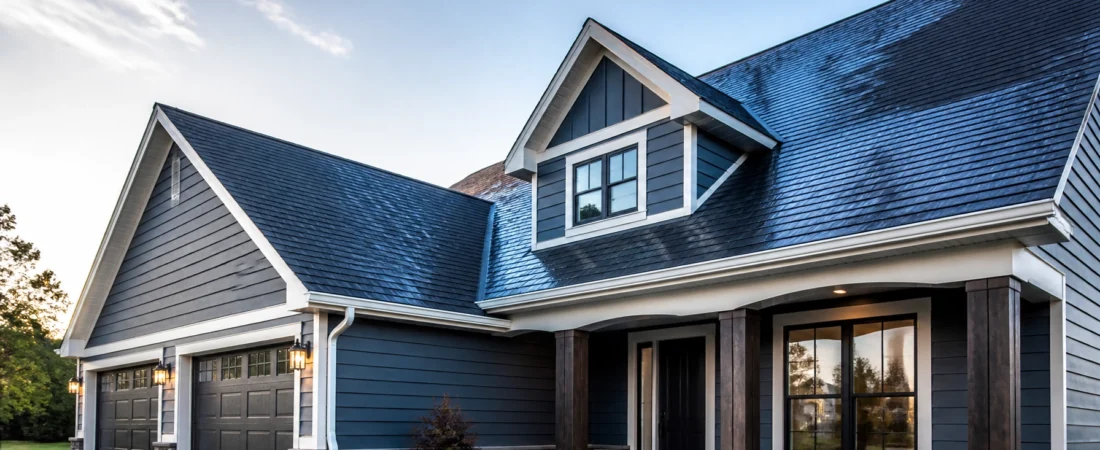
Storm Damage Inspection Checklist: What Every Homeowner Needs to Know

Severe weather events can cause significant damage to residential properties. Homeowners should conduct a thorough inspection after a storm to identify potential issues. This article provides a structured storm damage inspection checklist to help you evaluate your home for wind and hail damage.
1. Safety Protocols
Safety is the primary concern after a storm. Do not begin an inspection until the storm has completely passed. Check for immediate hazards such as downed power lines or broken glass.
You should remain on the ground during your initial inspection. Walking on a damaged roof is hazardous. Roof surfaces can be slippery and structurally unstable after a storm. Use binoculars to view the roof from a distance. If you suspect significant damage, contact a professional for a comprehensive assessment.
2. Storm Documentation
Begin by recording the details of the weather event. This information is necessary for insurance documentation.
- Date and Time: Note exactly when the storm occurred.
- Type of Storm: Identify if the damage was caused by high winds, hail, or both.
- Hail Size: If hail occurred, note the approximate size. Common comparisons include peas, marbles, or quarters.
- Weather Reports: Save a screenshot of a local weather report or a weather app showing the storm event in your area.
Maintaining a dedicated file for these records will assist in the insurance claim process.
3. Exterior Roof Inspection (Ground Level)
Inspect the roof from the ground to identify obvious signs of damage. Use binoculars for a clearer view of shingles and flashing.
Hail Damage Signs
Hail can leave specific marks on roofing materials. On asphalt shingles, hail damage often appears as dark spots or “bruises.” These spots indicate where the protective granules have been knocked away, exposing the asphalt mat.

Wind Damage Signs
High winds can lift or remove shingles entirely. Look for areas of the roof where shingles are missing or appear loose. Wind can also cause shingles to crease or curl. This damage compromises the water-shedding ability of the roof.

Check for damaged flashing around chimneys, vents, and skylights. Flashing that is bent or lifted can lead to water intrusion. For more details on wind impacts, refer to the guide on how wind damages your home.
4. Gutters and Downspouts
Gutters are often the first place to show signs of hail damage. Inspect the metal surfaces for dents and dings. Large hailstones can cause significant indentations in aluminum or copper gutters.

Check for the following issues:
- Dents: Small or large circular marks on the gutter surface.
- Granule Accumulation: Check downspout openings for an excessive amount of shingle granules. This indicates significant wear on the roof.
- Attachment Issues: Ensure the gutters are still securely attached to the fascia. High winds or heavy debris can pull gutters away from the house.
If your gutters are damaged, you may require gutter services to ensure proper drainage.
5. Siding and Exterior Walls
Walk around the perimeter of your home to inspect the siding. Different materials show damage in different ways.
- Vinyl Siding: Look for cracks, chips, or holes caused by hail impact.
- Aluminum Siding: Check for dents or dings similar to those found on gutters.
- Wood Siding: Look for cracked boards or areas where paint has been chipped away.
- Brick or Stucco: Inspect for new cracks or impact marks.
Significant siding damage can affect the insulation and protection of your home. Information on siding repair and siding replacement is available for those needing restoration.
6. Windows and Doors
Storms can cause immediate damage to windows and doors through flying debris or hail.
- Glass: Check for cracks, chips, or shattered panes.
- Screens: Look for tears or holes in window and door screens.
- Frames: Inspect window frames and door sills for dents or cracks.
- Garage Doors: Metal garage doors often show visible dents after a hail storm.
Broken windows should be boarded up immediately to prevent further water damage inside the home.
7. Interior Inspection (Attic and Ceilings)
Not all storm damage is visible from the exterior. Water can enter the home through small openings and cause internal issues.
Ceiling and Wall Check
Inspect every room for new water stains. These often appear as yellow or brown rings on the ceiling. Check for bubbling paint or soft spots on drywall.
Attic Inspection
If it is safe to do so, check your attic. Look for the following:
- Damp Insulation: Wet or matted insulation is a sign of a roof leak.
- Water Spots: Look at the underside of the roof deck for dark spots or moisture.
- Light Leaks: If you can see light coming through the roof, there is a hole that needs immediate attention.
Prompt roof repair is necessary to prevent mold growth and structural damage.
8. Documenting for Insurance Claims
If you find damage, you must document it thoroughly before making any repairs. Insurance companies require evidence to process claims.
- Photographs: Take wide-angle photos of the entire house. Take close-up photos of specific damage points.
- Videos: A video walkthrough can provide context for the location and extent of the damage.
- Receipts: If you perform emergency repairs, such as tarping a leak or boarding a window, save all receipts. These costs may be reimbursable.
- Inventory: List any personal property damaged during the storm, such as outdoor furniture or vehicles.
9. Professional Inspection and Next Steps
A homeowner checklist is a useful tool for identifying initial problems. However, a professional inspection is required for a complete evaluation. Capital Roofing and Exteriors provides a FREE roof inspection to homeowners.

A professional inspector can identify damage that may not be visible from the ground. They will provide a detailed report including:
- Clear photos of roof damage.
- An assessment of all exterior components.
- Assistance with the insurance claim process.
Capital Roofing and Exteriors handles the entire claim process, including meeting with the insurance adjuster. This ensures a fair assessment of the damage.
To schedule your free inspection, visit our start now page.
Summary Checklist
Use this list as a quick reference during your inspection:
- Verify the storm has passed and conditions are safe.
- Record the date and time of the storm.
- Take photos of the roof from the ground.
- Check gutters for dents and granules.
- Inspect siding for cracks or holes.
- Check windows for broken glass and torn screens.
- Look for water stains on interior ceilings.
- Inspect the attic for moisture.
- Schedule a professional inspection.
For professional assistance with storm damage restoration, contact Capital Roofing and Exteriors. We provide dependable roofing solutions and handle the insurance process to ensure long-term protection for your property.
